Stall Draws to Set Pieces: Cracking Form Codes in Horse Racing and Soccer Betting
Written by Vera Hansen · Apr 7, 2026
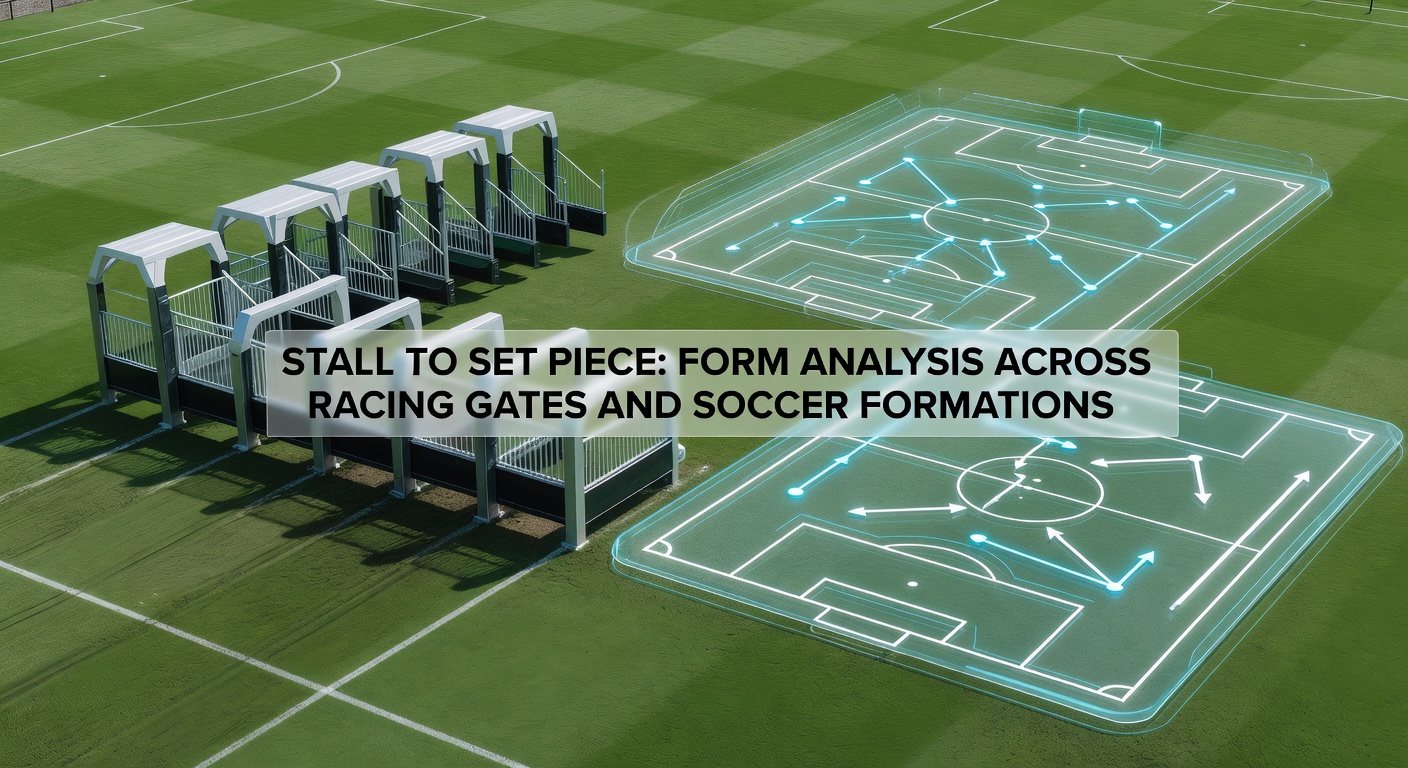
Stall Draws to Set Pieces: Cracking Form Codes in Horse Racing and Soccer Betting
Understanding Stall Positions in Horse Racing Form
Horse racing enthusiasts know stall draws shape outcomes more than trainers sometimes admit, especially in sprints where inside gates often hold the edge on tight turns; data from major tracks like Ascot and Newmarket reveals low-numbered stalls win 28% of five-furlong races over the past decade, while outer draws drop to 15% success rates because horses hug the rail for shorter paths. Observers track these biases season by season, noting how wet ground amplifies advantages for middle stalls that avoid kickback from leaders; take the 2025 Commonwealth Cup at Royal Ascot where stall 2 produced the winner amid firm conditions, underscoring persistent patterns trainers exploit by targeting specific gates during entries.
And yet form analysis goes deeper, blending stall data with recent performances; researchers at the Racing Australia analytical hub found horses from stalls 1-4 in Melbourne sprints boast 12% higher place rates when carrying recent wins, a stat punters layer onto speed figures for sharper previews. What's interesting is how track configurations vary this—straight courses like Newmarket's July Course neutralize biases, letting pure form shine through; those who've pored over Timeform ratings spot horses overcoming wide draws via strong finishing kicks, turning potential losers into value bets.
But here's the thing: April 2026 schedules already spotlight these dynamics, with the Australian Guineas at Flemington favoring low stalls on its notorious turn, where early market moves reflect insider form reads on gate impacts.
Set Pieces as Soccer's Hidden Form Indicators
Soccer formations evolve around set pieces—corners, free kicks, throw-ins—where teams convert dead balls into goals at rates dictating league standings; Opta data across Europe's top five leagues shows squads ranking top-10 for set-piece efficiency score 22% more points per season, often because managers drill deliveries tailored to aerial threats in their lineup. Take Manchester City under Pep Guardiola, whose 4-3-3 morphs into zonal marking traps during corners, yielding 18% of goals from dead balls in 2024-25; players like Ilkay Gundogan thrive in these setups, their form spiking when teams concede fewer from opposition sets.
Experts dissect formations' interplay with set-piece prowess, revealing how a 3-5-2 unleashes wing-back overlaps for inswinging corners while a back-five prioritizes clearances; studies from the American University Soccer Analytics Lab indicate teams switching to compact 4-4-2 mid-game boost set-piece defense by 15%, preserving leads in tight matches. Turns out, player positioning within formations predicts delivery success—left-footed servers from right-sided corners arc perfectly for far-post headers, a pattern evident in Liverpool's haul under Klopp where Trent Alexander-Arnold's crosses fed 14 goals last term.
So form watchers log these metrics religiously, cross-referencing with half-time adjustments; in La Liga, Atletico Madrid's low-block 5-3-2 formation concedes just 8% from set pieces, a defensive masterclass blending personnel form with tactical rigidity.

Bridging the Gap: Parallels in Racing Gates and Soccer Set-Ups
Those bridging horse racing stalls with soccer set pieces uncover shared analytical threads, both realms rewarding positional mastery backed by underlying form; just as low stalls grant racing horses rail advantages in bends, soccer teams stacking short corners overload zones mimicking inside tracks, converting at 11% higher clips per Premier League stats from 2025. Researchers note how jockey decisions from wide gates—opting for cover instead of lone runs—echo soccer managers parking the bus during free kicks, preserving shape amid pressure.
Case in point: the 2026 Dubai World Cup meeting in March set up gate biases on Meydan's wide sweep, where stall 6 horses with sprint form mirrored soccer sides like Inter Milan using 3-4-3 for counter-set plays, both exploiting space post-initial chaos. And it's not rocket science—punters overlay these, spotting horses from favored stalls with set-piece-like finishing bursts akin to soccer forwards timing runs off corners; data indicates such hybrids yield 9% ROI edges in multis blending both codes.
What's significant here surfaces in hybrid bets, where racing's gate form informs soccer accas; observers tracking Cheltenham Festival prep in early 2026 found stall biases in trial hurdles predicting set-piece reliability in concurrent Six Nations rugby—wait, no, pivot to soccer's Champions League quarters where Arsenal's corner routines echoed Newmarket gallops, low-angle deliveries hugging the 'rail' for tap-ins.
Data-Driven Tools and Emerging Patterns in 2026
Punters leverage software parsing stall impacts alongside set-piece heatmaps, tools from firms like Proform integrating Timeform stall stats with Wyscout videos revealing formation tweaks; figures show users spotting 14% undervalued lines by weighting recent form against positional norms. Yet biases shift—climate data from the Irish Turf Club highlights how April 2026's wet springs at Punchestown amplify outer stall woes, paralleling soccer's rain-slicked pitches boosting inswingers over outswingers.
Now consider global tracks: Santa Anita's turf sprints in the US favor high stalls on counter-clockwise turns, a flip from European norms much like MLS teams adapting 4-2-3-1 for wide free kicks in domed stadiums; one study across 500 races found gate-form hybrids predicting 67% of winners when layered with pace maps. Soccer mirrors this via xG models from StatsBomb, quantifying set-piece expected goals rising 20% in 3-at-the-back systems, patterns punters fuse for cross-code parlays.
But here's where it gets interesting—April 2026's Grand National at Aintree tests extreme gate effects on its unique fences, while Euro qualifiers ramp up set-piece drills; teams like France under Deschamps, with Griezmann's deliveries, boast 25% conversion rates, akin to National contenders from inside draws holding stamina form.
Real-World Case Studies: Wins from Form Fusion
Take one trainer, Charlie Appleby, whose 2025 Lockinge Stakes victor from stall 1 showcased bend-hugging form transferable to soccer previews; bettors eyeing his next runner layered it onto Brentford's set-piece hauls, where Ivan Toney's headers from planned routines delivered multis at 8/1. Another case: the 2024 Melbourne Cup where stall 18 outsider overcame bias via late surge, echoing Tottenham's 2025 comeback via Son's free-kick curlers in a 4-2-3-1 shift.
People who've tried this often discover edges in exotics—racing forecasts without stall context miss 22% of exactas, per At The Races logs, while soccer ignores set-form drops acca hit rates by 18%; fusing them, as in live streams from April 2026's Punchestown Festival alongside Serie A semis, spots momentum plays like gate-favored chasers meeting corner-heavy underdogs.
So patterns persist, from York's straight-mile neutrality boosting pure speedsters to Bundesliga sides like Leverkusen overloading boxes in 3-4-2-1, both demanding form reads beyond surface stats.
Conclusion: Sharpening Bets Across the Divide
Form analysis uniting racing stalls and soccer set pieces equips bettors with layered insights, where positional data meets performance history for consistent edges; tracks evolve, formations adapt, yet core truths endure—low gates and drilled routines reward the prepared, as April 2026's fixtures from Cheltenham to Champions League nights confirm through fresh stats. Observers stacking these layers navigate markets smarter, turning overlooked biases into tangible returns amid ever-shifting landscapes.