Prediction Markets Draw Growing UK Interest Ahead of 2026 Events
Written by Blake Klein · Jul 30, 2026

Prediction Markets Draw Growing UK Interest Ahead of 2026 Events
The Guardian article examines rising participation in prediction markets among UK bettors, with platforms such as Polymarket attracting attention through events including the 2026 World Cup and the Clacton by-election. Users in Britain have started bypassing domestic rules to reach these offshore sites, while the report compares this activity against established volumes in licensed sports betting. Observers note that prediction markets function through share-based wagers on outcomes, where prices reflect collective probabilities rather than traditional fixed odds. This structure has drawn users seeking alternatives during high-profile occasions, and data from the period shows increased searches and account activity tied to upcoming fixtures and contests.Key Events Fueling Platform Activity
The 2026 World Cup stands as one major catalyst, with bettors positioning on team advancement, match results, and tournament milestones well in advance. The Clacton by-election has similarly prompted wagers on candidate performance and seat outcomes, creating short-term spikes in engagement. Both events align with broader patterns where political and sporting developments coincide, prompting users to explore markets that aggregate real-time sentiment through trading mechanics.
UK participants reach these platforms by using virtual private networks or other workarounds that circumvent geo-restrictions. The Guardian piece highlights how this access occurs outside the remit of the Gambling Commission, leaving such activity unregulated within British borders. Figures from official channels continue to track licensed sports betting separately, and the contrast underscores differences in scale between established domestic markets and emerging offshore alternatives.
Comparison With Licensed UK Betting Volumes
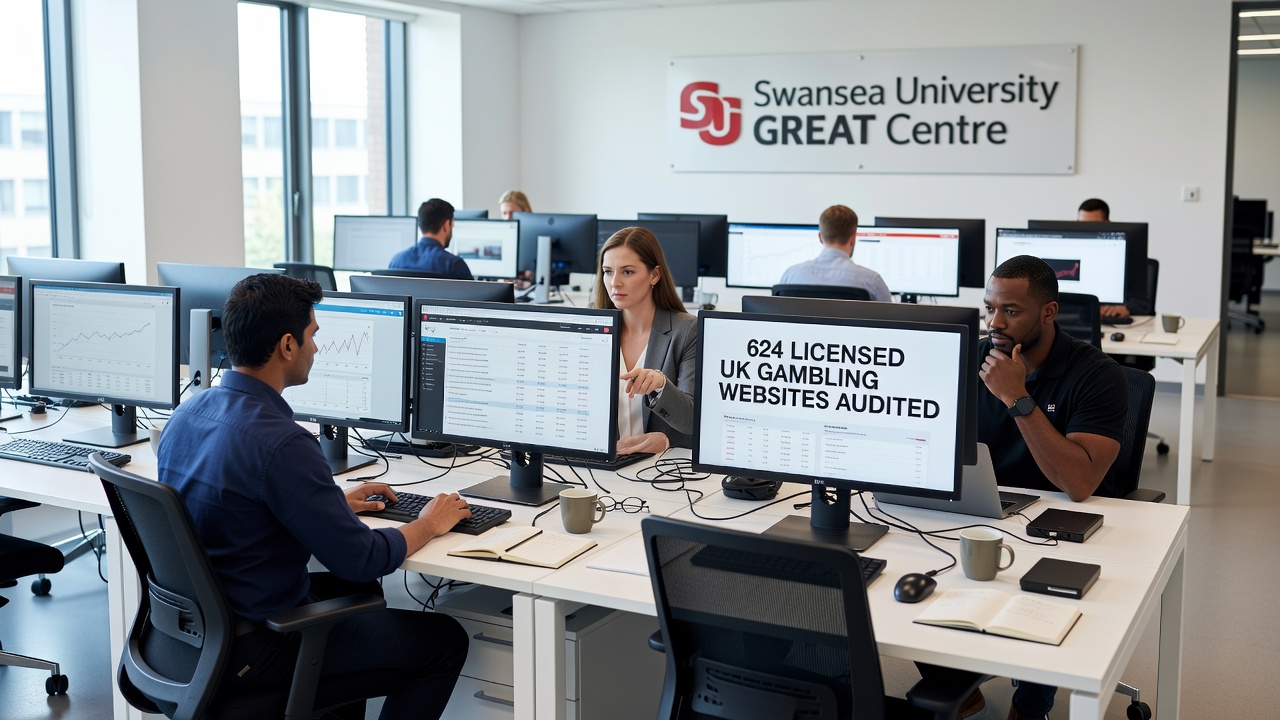
Official records from the Gambling Commission track sports betting turnover through regulated operators, providing baseline statistics on participation and revenue. These UK gambling statistics show steady volumes across football, horse racing, and other categories, yet prediction market activity remains outside this reporting framework. The Guardian analysis questions whether the offshore model could scale to match or exceed these numbers in the coming years, drawing parallels to growth observed in the United States after regulatory shifts.
Researchers tracking user behavior have identified clusters of activity around election dates and tournament schedules, with liquidity concentrating on headline outcomes. The article notes that while US prediction markets expanded rapidly following legal clarifications, the UK landscape presents distinct regulatory and cultural factors that may shape adoption rates differently. Licensed operators continue to report consistent engagement, yet the flow of users toward unregulated platforms suggests shifting preferences during peak periods.
Regulatory Questions and Market Dynamics
Current rules require UK-facing platforms to hold licenses and enforce age and location checks, yet prediction markets hosted abroad operate beyond these controls. The Guardian report outlines how this gap allows bettors to participate without the consumer protections built into the domestic system. Discussions within the piece focus on whether increased visibility of these markets could prompt policy responses or whether existing frameworks will absorb the trend through expanded offerings from licensed providers.
Market depth on platforms like Polymarket varies by event, with popular contests attracting higher trading volumes and tighter price spreads. The Clacton by-election and World Cup qualifiers have each generated distinct liquidity patterns, illustrating how timing and public interest intersect to influence participation. Observers point to these case examples as indicators of potential future behavior should similar high-stakes events occur in sequence.
Outlook for UK Participation Patterns
The article stops short of forecasting exact trajectories but presents data points on current user flows and comparative growth metrics from other jurisdictions. Evidence cited includes search trends, social media mentions, and platform-reported trading figures that align with the calendar of political and sporting milestones. Those monitoring the space note that sustained interest will depend on continued event-driven catalysts and the ease with which users can maintain access.
Domestic sports betting volumes remain anchored by long-standing operator networks and established consumer habits, according to commission data. Prediction markets occupy a parallel space that appeals to a subset of bettors seeking different mechanics and global event coverage. The Guardian examination frames this as an emerging area worth continued observation rather than an immediate replacement for existing channels.
Conclusion
The Guardian article captures a moment of expanding curiosity around prediction markets within the UK, driven by specific 2026 events and facilitated by regulatory workarounds. It places this development alongside official sports betting statistics to illustrate scale and context. As the World Cup and other contests approach, further data will clarify whether current patterns represent a lasting shift or a temporary response to particular circumstances. The piece underscores the distinction between licensed domestic activity and offshore alternatives without projecting future regulatory or market outcomes.