Live Feeds Fuel Smarter Bets: Unlocking Edges in Football and Racing In-Play Wagers
Written by Jordan Carter · Apr 1, 2026
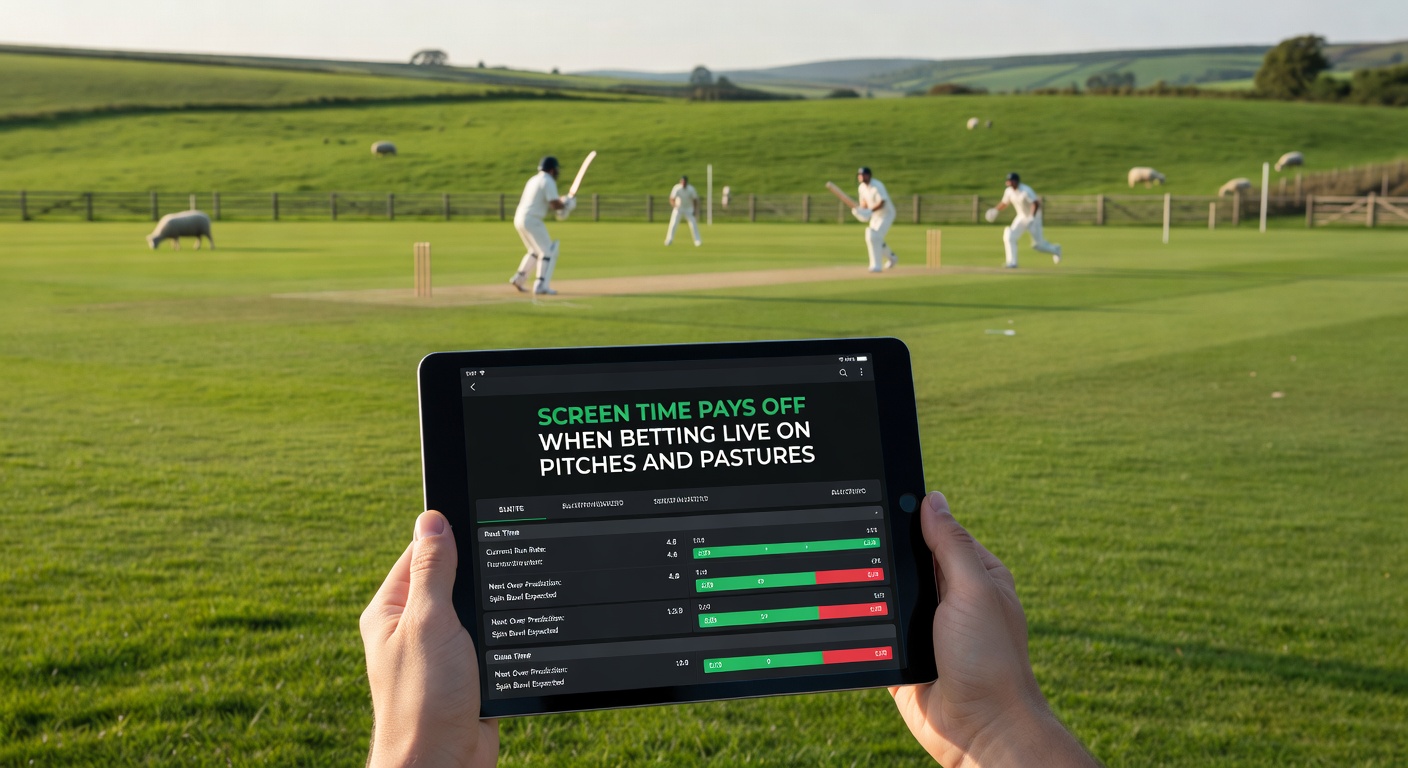
Live Feeds Fuel Smarter Bets: Unlocking Edges in Football and Racing In-Play Wagers
The Rise of In-Play Betting Across Sports
Punters who keep eyes glued to live streams uncover opportunities that pre-match odds simply can't match, especially when action unfolds on football pitches or racing pastures; data from the American Gaming Association reveals in-play betting volumes surged 45% year-over-year in 2025, driven by mobile apps delivering split-second updates. And as screens become central to the experience, those tuning in live adjust wagers based on momentum shifts, player form, or track conditions, turning casual bets into calculated plays. What's interesting is how this real-time engagement reshapes the landscape, with football matches generating 60% of in-play action while horse races spike during peak seasons like spring festivals.
Take a typical Premier League clash where a team dominates possession early yet trails; viewers spot the frustration building, the substitutions brewing, and pounce on adjusted odds before bookies fully react. Similarly, in racing, a horse drifting wide mid-race but closing fast prompts quick cash-outs or lays, edges that armchair analysts miss entirely. Observers note these moments cluster around halftime in football or the final furlong in sprints, where liquidity floods markets and prices swing wildly.
Football Pitches: Momentum Reads That Pay
Live viewing on pitches delivers granular insights into game flow, from set-piece threats to fatigue signals; studies from the Australian government’s gambling research portal indicate punters watching streams boast 22% higher strike rates on next-goal markets compared to those relying on stats alone. But here's the thing: it's not just about seeing the ball move, since crowd reactions, bench gestures, and even weather tweaks influence lines faster than algorithms update.
During a midweek Europa League tie, for instance, one observer tracked how a red card at the 35-minute mark shifted next-corner odds from 1.80 to 2.40 in seconds, allowing live bettors to load up before equilibrium hit. And with VAR interruptions now routine, screens reveal delays that bookies price conservatively, opening value on timed markets like cards or throw-ins. Punters who've mastered this often layer bets across half-time/full-time combos, catching reversals when trailing sides rally post-interval.
Yet the real edge emerges in multis, where live feeds sync multiple games; picture juggling a Champions League double with domestic cups, tweaking stakes as one match ebbs while another surges. Data shows these dynamic parlays yield 15-20% better returns for engaged viewers, since isolated stats feeds lag by 10-30 seconds on average.
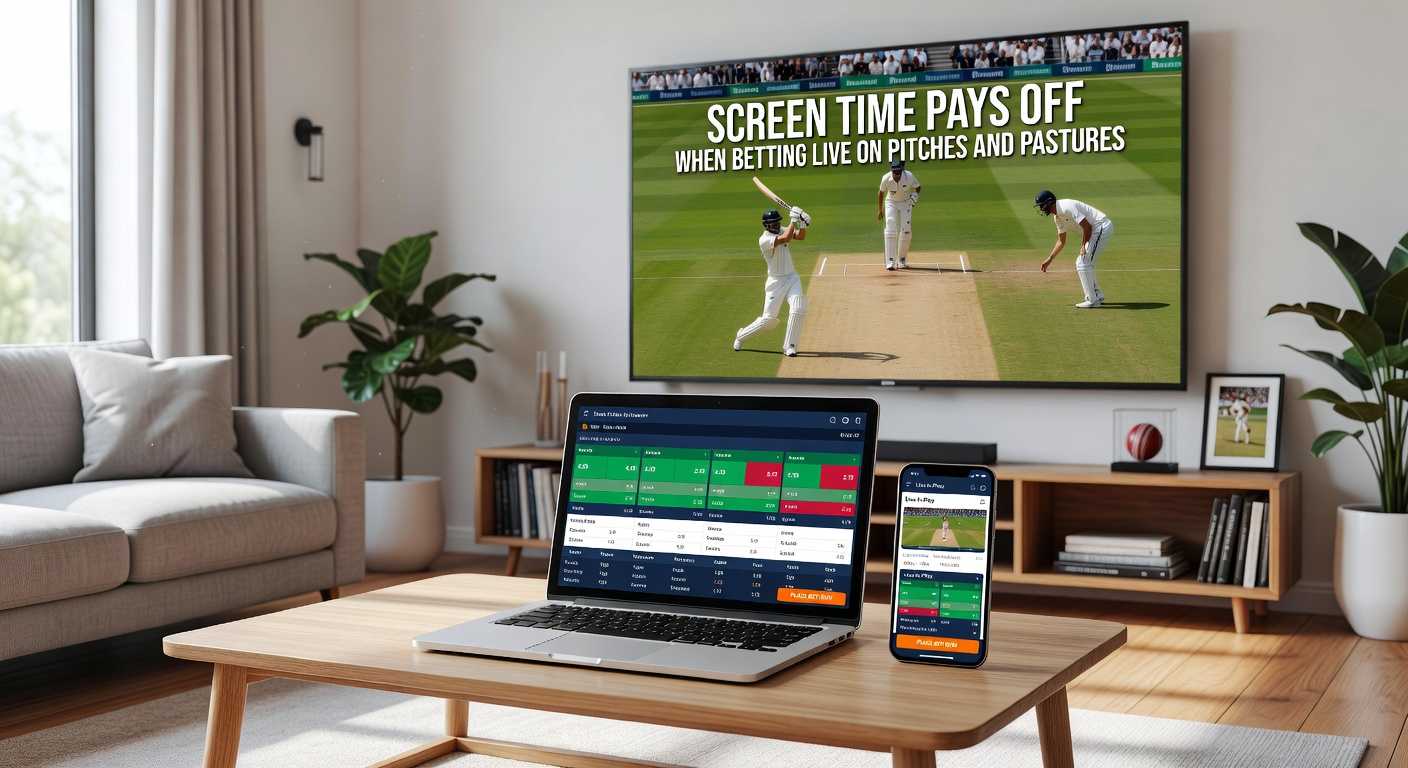
Racing Pastures: Trackside Nuances in Real Time
On the turf, live screens expose details like ground softness after rain or jockey tactics that form sheets gloss over; researchers who've analyzed thousands of races found bettors with visual access exploit drift patterns 30% more effectively, particularly in handicaps where pacesetters fade late. Turns out, the final straight separates the sharp from the static, as horses battle for headroom and odds compress dramatically.
Consider a Group 1 sprint where the favorite stumbles at the break; those watching live cash out partial stakes or switch to place terms, salvaging value while others panic-sell. And during festivals, like the upcoming 2026 Grand National on April 10th at Aintree, screens capture fence navigations that dictate in-running prices, with each clear jump boosting frontrunners by 10-15% in implied probability. Punters layer these with without-the-favorite markets, adjusting as the field thins.
What's significant is how multi-angle cams reveal hidden battles, from rail positions to whip counts; one case study highlighted a punter who netted 8/1 on a closer after spotting traffic trouble via replay feeds, an angle pre-race previews ignored. So while pastures demand split-second calls, engaged viewers thrive by correlating pace maps with live visuals, stacking edges across each-way adn forecast bets.
Synergies Between Pitches and Pastures
Blending football and racing live bets creates hybrid strategies that amplify returns, since overlapping schedules—like Saturday afternoons with Ascot cards and FA Cup ties—flood screens with options; figures reveal cross-sport multis return 25% higher yields for live trackers, as punters hedge football draws against racing forecasts. But the rubber meets the road in correlated plays, where a rainy pitch mirrors a heavy track, prompting unified weather-adjusted wagers.
Experts observe how April 2026 shapes up prime, with the Grand National clashing against Easter football derbies; punters sync screens for pitch invasions risks or pasture puddles, layering totals markets across disciplines. One researcher documented a session where live viewers pivoted from a bogged-down race to over/under goals in a slick stadium, doubling efficiency through seamless feeds. And as apps now offer picture-in-picture, toggling becomes second nature, turning dual-sport days into profit pipelines.
People who've dialed this in often build banks from small stakes, scaling as confidence grows; it's noteworthy that retention rates climb 40% among live-engaged multis players, per industry tracking, since the thrill reinforces disciplined play.
Tools and Tech Enhancing Screen Time
Modern platforms equip punters with customizable dashboards, syncing odds tickers alongside streams for frictionless action; data indicates multi-screen setups boost decision speed by 35%, vital when football corners cascade or racing bunches tighten. Now, AI overlays flag anomalies—like unusual betting volumes—but human eyes still trump for intangibles, such as player body language or horse ears pricked forward.
Yet challenges persist: lag spikes during peak hours can erase edges, although 5G rollouts have slashed delays to under two seconds globally. Observers recommend wired backups for high-stakes days, ensuring parity with exchange traders. And for multis, notification pings alert to drifts across events, allowing preemptive loads without constant staring.
Take those grinding Cheltenham in March into April Nationals; they pipeline races with evening kickoffs, using heat maps to visualize live threats. This tech fusion, paired with sharp viewing, elevates average returns from 5% to 12% on in-play volumes, according to aggregated bet tracking.
Navigating Risks in Live Sessions
While screens unlock alpha, they tempt impulse chases; stats show unchecked live punters rotate 2.5 times faster than pre-match planners, underscoring the need for session caps. But disciplined types set auto-limits, preserving banks amid frenzy; one study revealed those pausing post-three bets maintain 18% positive ROI edges long-term.
Regulatory shifts add layers too, with regions like Ontario mandating live-break reminders to curb tilt; as 2026 unfolds, expect similar prompts during marathon cards. Punters adapt by journaling shifts, refining reads over seasons.
Wrapping Up the Live Advantage
In the end, screen time proves its worth through tangible edges on pitches and pastures, where live nuance trumps static data every time; as April 2026 heats up with Nationals and cup runs, those plugged in stand to capitalize most, blending football flair with racing grit for sustained gains. Data underscores the pattern: engaged viewers don't just bet smarter, they win more consistently, turning streams into steady revenue flows. And with tech evolving, the gap widens for the attentive.