Integrating Equine Track Histories with Football Pitch Analyses for Multi-Leg Betting Approaches
Written by Drew Hartmann · Aug 6, 2026
Integrating Equine Track Histories with Football Pitch Analyses for Multi-Leg Betting Approaches
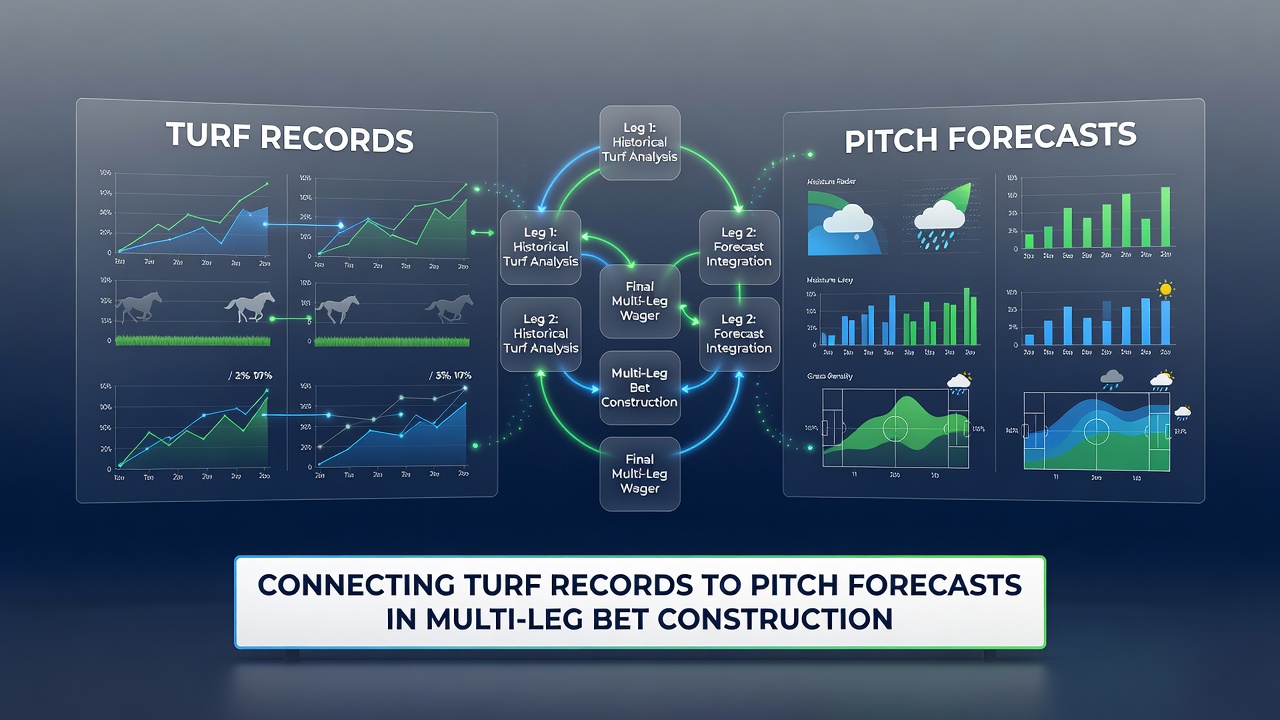
Connecting detailed records from horse racing surfaces to projected conditions on football pitches creates structured pathways for constructing multi-leg bets that span both sports, and analysts track these elements through performance metrics gathered over multiple seasons. Turf data includes ground firmness ratings, historical speed figures, and trainer success rates on specific track types while pitch forecasts incorporate weather models, grass wear patterns, and team adaptation statistics from prior matches played under similar conditions. Observers note that these datasets align in multi-leg constructions when bettors layer selections where one outcome influences probability calculations for the next leg, such as a horse excelling on soft ground paired with a football side that maintains possession better on comparable turf quality.
Building Connections Through Shared Environmental Factors
Weather patterns affect both racing tracks and football fields in measurable ways, and forecasters compile precipitation levels alongside temperature shifts to predict how surfaces evolve during events. A racecourse that receives heavy rain often produces slower times for certain horse profiles, while a football pitch facing the same conditions tends to favor teams with strong defensive setups over those relying on quick transitions. Data compiled across European and North American venues shows correlations where ground softness exceeds a defined threshold, and these patterns allow constructors to adjust stake distributions across legs rather than treating each sport in isolation.
Researchers at institutions tracking performance logs have mapped trainer records on yielding turf directly to coach preferences for certain pitch states, creating matrices that feed into accumulator algorithms. One dataset from Australian racing authorities demonstrates that horses with proven records on rain-affected tracks improve win percentages when paired with football selections from leagues where home sides historically cover spreads after similar rainfall, and this integration reduces variance in overall returns across longer bet chains.
Data Layers in Accumulator Construction
Multi-leg builders incorporate turf statistics such as sectional times and draw biases alongside pitch forecasts that include expected bounce rates and player injury risks tied to surface hardness. These layers combine when algorithms weight each leg according to environmental overlap, for instance assigning higher multipliers to a horse racing on firm ground followed by a football match on a similarly dry pitch where away teams show elevated scoring rates. Industry reports from the American Gaming Association highlight how operators now supply surface-specific data feeds that users access to refine selections, and such tools have expanded in regions where cross-sport betting volumes grew during the 2025-2026 seasons.
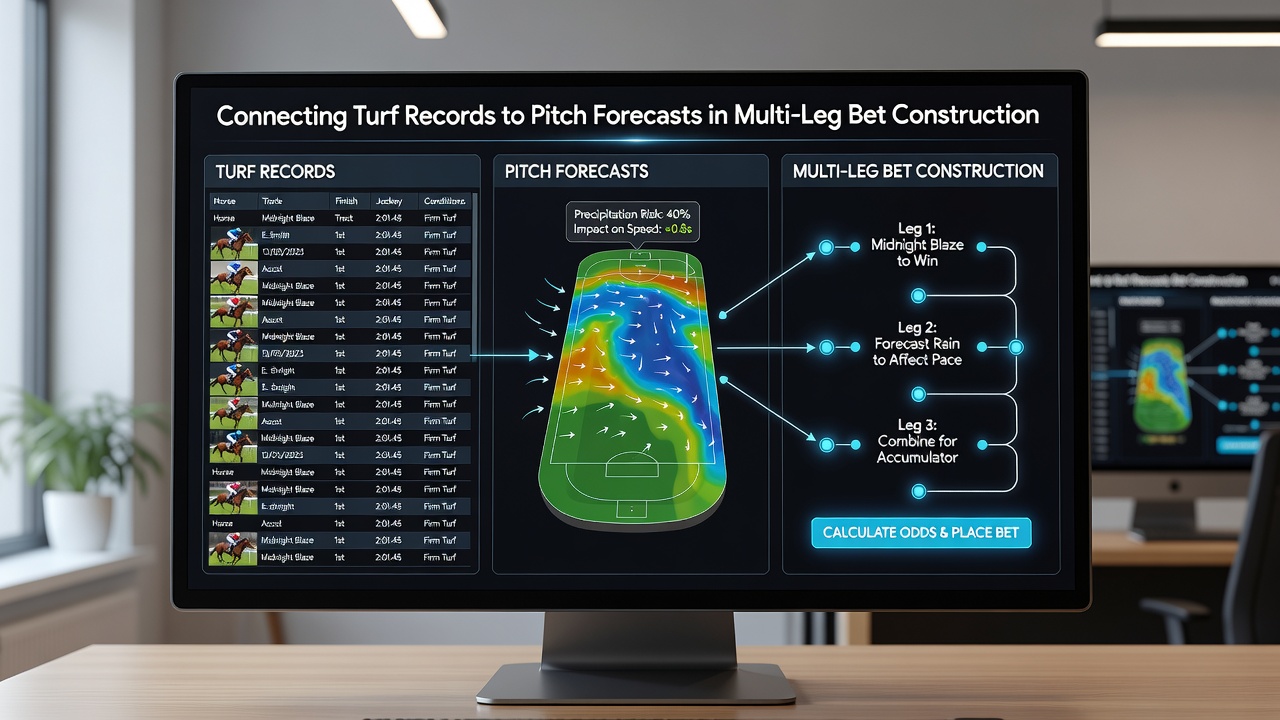
Case examples include sequences where a stable's record on left-handed tracks connects to a football club's set-piece conversion rates on pitches with matching dimensions, and these parallels emerge most clearly when forecasts indicate consistent wind directions across venues. Those who study these intersections compile spreadsheets that flag overlaps in ground conditions weeks ahead, allowing adjustments before odds settle. Figures released by the European Gaming and Betting Association in mid-2026 indicate rising interest in such hybrid models, particularly among bettors managing larger accumulators that span weekend racing cards and midweek football fixtures.
Seasonal Adjustments and August 2026 Trends
August brings transitional weather across both hemispheres, and this period often features variable ground conditions at racecourses preparing for autumn meetings while football leagues resume on pitches recovering from summer maintenance. Constructors review prior August datasets to identify when early-season pitch firmness aligns with turf records from horses returning after summer breaks, and these reviews feed into models that recalibrate leg priorities. Performance logs show certain jockey-trainer combinations posting stronger figures on ground that mirrors the initial hardness of new football seasons, creating entry points for multi-leg entries that open during the first weeks of the month.
Regulatory updates scheduled for late 2026 continue to influence data transparency requirements, yet operators maintain access to historical archives that support cross-sport linkages without interruption. Analysts continue refining correlation coefficients between turf speed ratings and football expected goals models adjusted for surface variables, and these refinements appear in updated software platforms used by professional bet construction teams.
Conclusion
Linking turf records to pitch forecasts supplies measurable inputs for multi-leg bet frameworks, and ongoing collection of environmental and performance data sustains these methods across changing seasons. Sources ranging from academic performance studies to industry association summaries confirm the availability of overlapping datasets that constructors apply when building selections spanning horse racing and football. The approach remains grounded in documented patterns rather than isolated events, with August 2026 serving as one window where seasonal resets highlight fresh alignment opportunities between the two sports.