Integrating Digital Incentives with Racing and Football Data for Multi-Leg Bets
Written by Jordan Carter · Aug 18, 2026
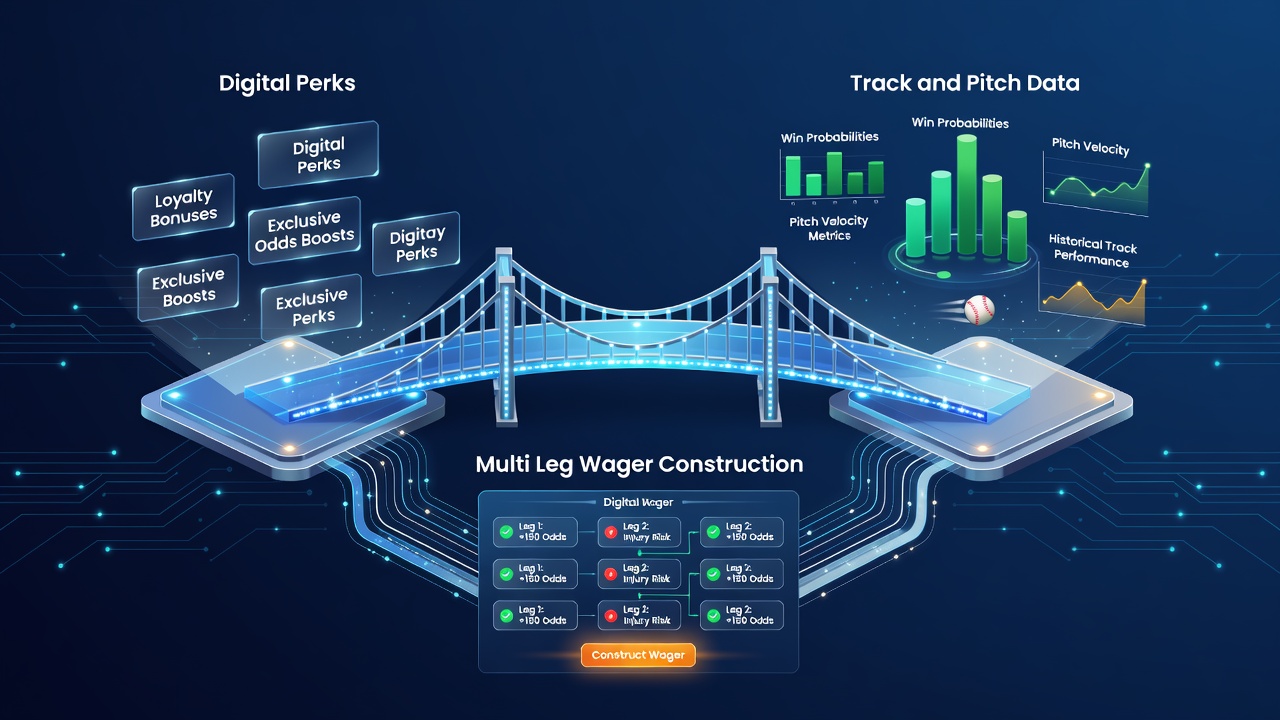
Integrating Digital Incentives with Racing and Football Data for Multi-Leg Bets
Operators in regulated markets have developed systems that link casino rewards programs directly to statistical feeds from horse racing tracks and football pitches, allowing construction of multi-leg wagers that factor in both promotional credits and performance metrics. Data from these integrations shows increased wager volume during periods when operators activate combined bonus structures with real-time analytics, particularly noted in reports covering activity through August 2026.
Systems pull information from timing devices at racecourses and event tracking software used by football leagues, then match those numbers against available deposit matches, free bet tokens, and loyalty points. Users select legs across different events while the platform adjusts potential returns based on remaining bonus value and qualifying conditions. According to figures from the Nevada Gaming Control Board, multi-leg products that incorporate such layered data have accounted for measurable portions of total handle in recent quarters.
Data Sources and Integration Methods
Track data includes split times, sectional speeds, and historical performance against specific ground conditions, while pitch data encompasses pass completion rates, expected goals models, and set-piece efficiency recorded during live matches. These datasets feed into algorithms that calculate adjusted odds when a bonus applies to one or more legs of an accumulator. Observers note that platforms update these feeds at intervals ranging from seconds to minutes depending on the sport and jurisdiction.
One documented approach involves mapping loyalty tier benefits onto probability models derived from both racing form and football statistics. For instance, a player holding a mid-level reward might see the system apply an enhanced stake on a leg featuring a horse with favorable draw statistics paired with a football team showing strong second-half metrics. Research from the University of Nevada, Las Vegas Center for Gaming Research indicates that such mappings occur more frequently when regulatory frameworks permit clear disclosure of bonus terms alongside statistical inputs.
Construction of Layered Wagers
Multi-leg wagers built this way typically combine two to five selections where at least one leg draws from racing data and another from football analytics. The platform displays remaining bonus eligibility in real time, allowing adjustment of stake allocation before confirmation. Studies have recorded higher completion rates for these wagers when users receive prompts that show how a specific perk alters the overall return profile without changing the base odds.
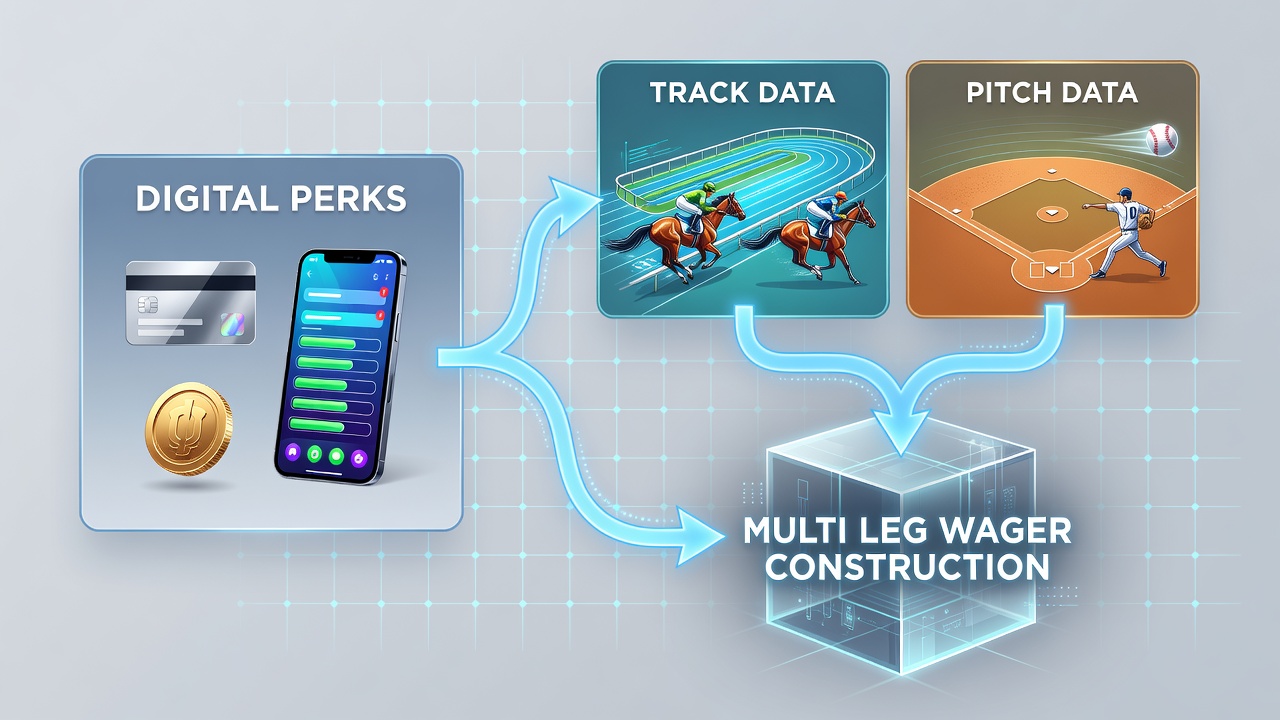
Industry reports compiled through August 2026 reveal that operators in multiple regions have expanded these tools following updates to responsible gambling software standards. The tools flag when a proposed combination exceeds typical volatility thresholds derived from historical track and pitch outcomes. Those who have examined the logs find that users often split stakes across parallel combinations when the interface highlights overlapping bonus conditions.
Regulatory Context and Reporting Standards
Regulators outside the United Kingdom, including bodies in Australia and parts of North America, require operators to maintain audit trails that separate bonus-driven wagers from standard ones. The Victorian Commission for Gambling and Liquor Regulation has published summaries showing how integrated data systems must record both the statistical source and the promotional element for each leg. Compliance teams review these records to verify that odds remain consistent with published market data even when bonuses apply.
Platforms that meet these standards display clear breakdowns of how track sectional times or football possession metrics influence leg selection, separate from any bonus multiplier. Data aggregated across several operators indicates that transparency in this area correlates with longer session durations but not necessarily with higher average stakes per user.
Conclusion
Integration of digital perks with track and pitch datasets continues to shape multi-leg wager construction across regulated markets. Available records through August 2026 demonstrate consistent use of combined feeds for stake allocation and risk display. Continued reporting from gaming authorities and academic centers will track how these systems evolve alongside updates to data collection standards in both horse racing and football.