Equine Metrics Guiding Soccer Midfield Analysis for Precision in Multi-Market Entry Timing
Written by Vera Hansen · Aug 2, 2026
Equine Metrics Guiding Soccer Midfield Analysis for Precision in Multi-Market Entry Timing
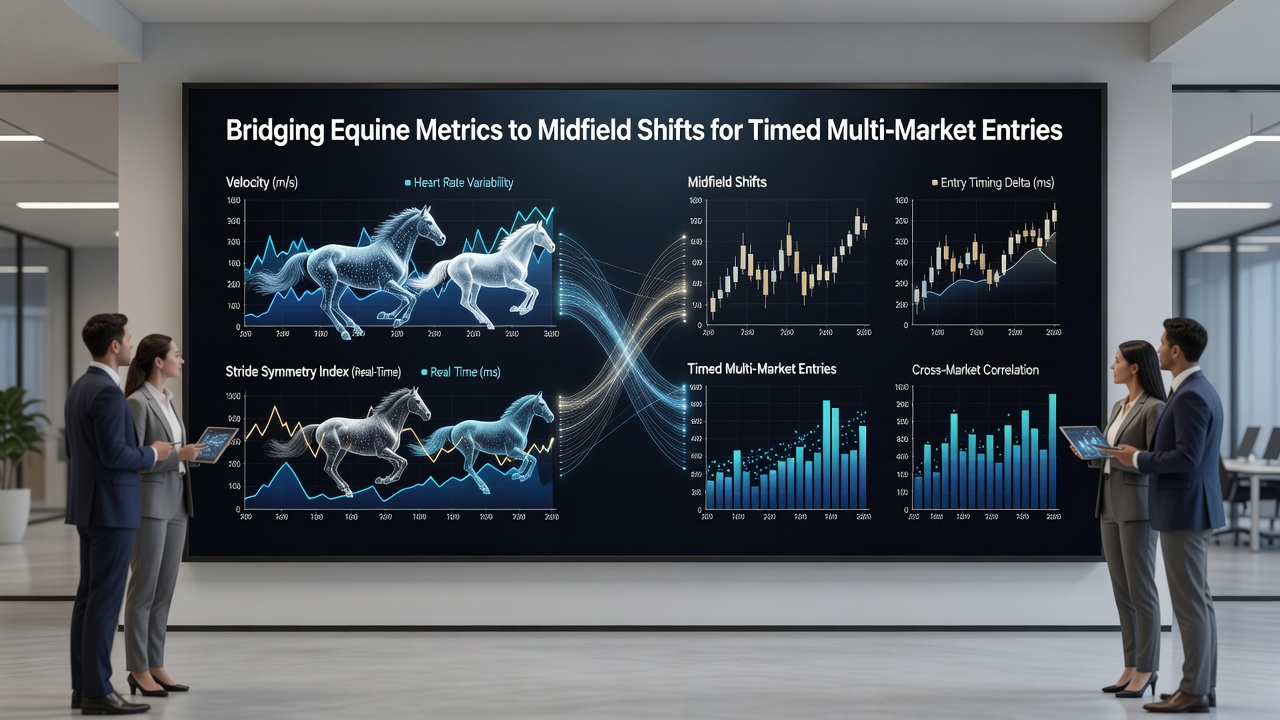
Data integration between horse racing performance indicators and soccer midfield movement patterns continues to expand in live betting environments as operators refine tools for simultaneous market access, and observers note that trainers and coaches both track variables like pace consistency and positional recovery rates which can align with timed entries across multiple wager types. Research from cross-sport analytics teams shows that equine stride efficiency metrics often parallel midfield transition speeds in football, creating windows where bettors enter combination markets on race outcomes and half-time results within the same session.
Core Equine Performance Indicators in Context
Studies conducted by university sports science departments have mapped horse racing variables such as sectional timing splits and ground condition adaptations onto datasets that also cover soccer player tracking, while those who've examined both fields find that early-race acceleration curves share structural similarities with midfield pressing triggers that occur in the opening fifteen minutes of matches. Figures released in mid-2026 indicate rising adoption of these parallel datasets among professional syndicates operating across European and Australasian platforms, and data from the Australian Gambling Research Centre highlights how integrated models reduce latency between signal identification and market placement.
Midfield Shift Patterns and Their Measurable Components
Soccer analysts record midfield shifts through metrics including pass completion under pressure, recovery runs per minute, and formation adjustments during transitions, and these elements gain additional context when compared against equine recovery intervals after sectional bursts. Observers note that teams adjusting their central structure in response to opponent pressing often mirror the way horses settle into rhythm after an initial surge, creating measurable correlations that statistical platforms now flag for timed multi-market opportunities. As of August 2026, several European betting exchanges report increased volume in combined football and racing products that activate during overlapping live windows.
Connecting the Datasets for Entry Timing
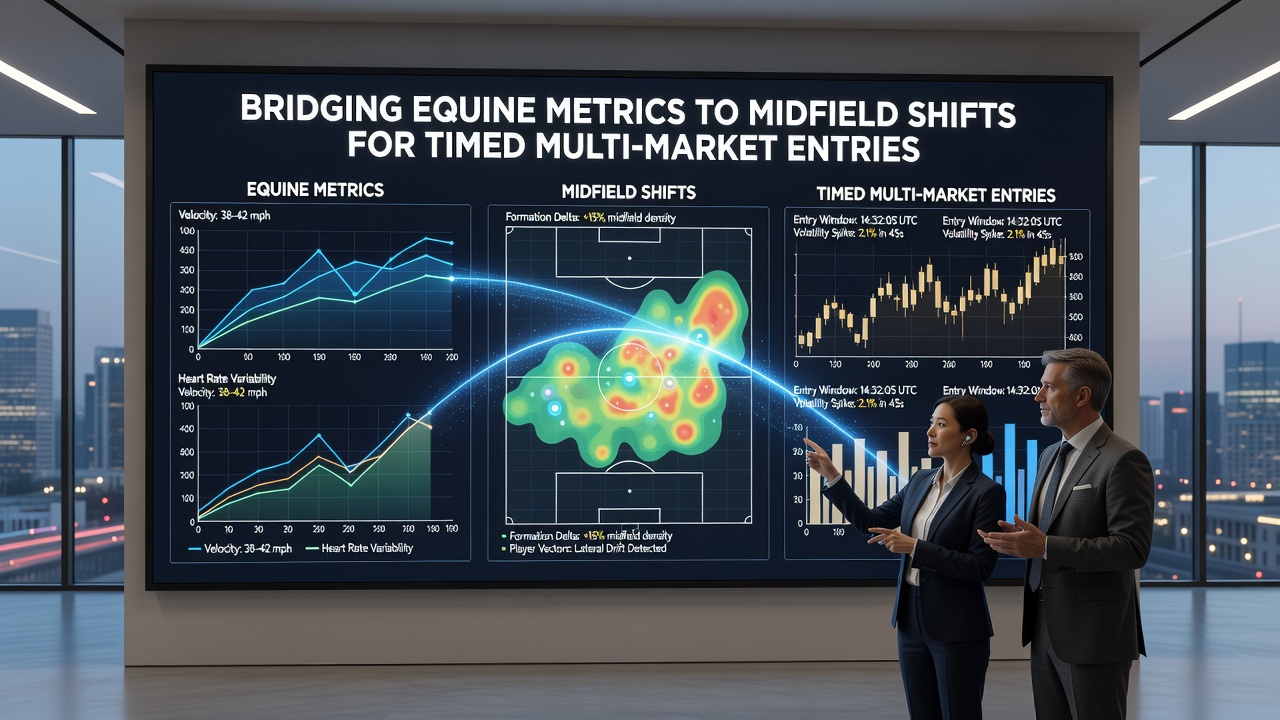
Integration begins with synchronized data feeds that align race sectional times with real-time midfield heat maps, allowing algorithms to identify when a horse's closing speed projection coincides with a soccer side's expected midfield regroup. Those who've studied these systems report that the overlap typically lasts between ninety and one hundred eighty seconds, during which multiple markets including place payouts, next-goal timing, and in-play accumulators become available simultaneously. Industry reports from the Canadian Centre for Gaming Research document how such timing windows have grown more frequent as data providers expand coverage to both codes.
Practical Application in Multi-Market Scenarios
Operators structure these entries so that a single confirmed equine metric update can trigger alerts for correlated soccer midfield changes, and bettors then select from a menu of linked markets that settle independently yet share the same activation window. Evidence suggests this approach supports diversified exposure across outcomes, with one documented case in 2025 where syndicates used recovery rate thresholds from both sports to time entries on a turf sprint and a Premier League central corridor duel. The process relies on continuous feed validation rather than single-point triggers, ensuring adjustments occur before markets adjust their pricing layers.
Technical Infrastructure Supporting the Bridge
Platforms combine API streams from racing authorities and football data partners into unified dashboards that highlight convergent signals, while developers continue to refine latency thresholds to maintain accuracy across time zones. Researchers at several academic institutions have published preliminary findings showing that cross-referenced models achieve higher precision when equine ground preference data is weighted against soccer pitch surface variables, and these refinements appear in production tools used by larger betting groups throughout 2026.
Conclusion
The practice of aligning equine metrics with soccer midfield shift data continues to develop through shared statistical frameworks that support timed multi-market entries, and current implementations demonstrate measurable overlap in performance indicators across the two sports. Ongoing work by research bodies and data providers focuses on expanding these connections while maintaining regulatory compliance across jurisdictions.