Drift Chasers: Live Odds Shifts That Punters Exploit in Football and Horse Racing
Written by Drew Hartmann · Mar 21, 2026
Drift Chasers: Live Odds Shifts That Punters Exploit in Football and Horse Racing
What Exactly Are Odds Drifts, and Why Do Punters Chase Them?
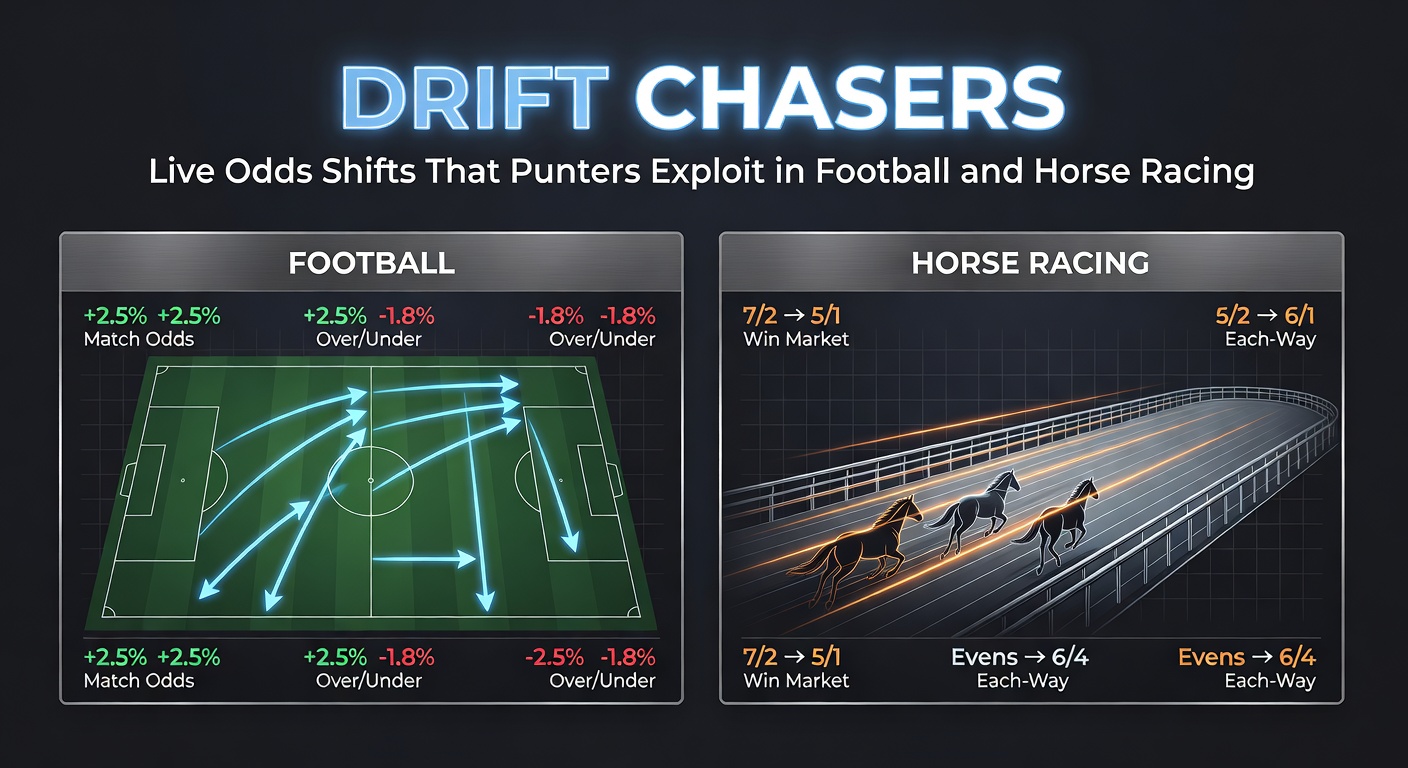
Punters who specialize in drifts keep a sharp eye on live betting markets, where odds suddenly lengthen on a selection that was previously stable, signaling a potential value bet before the market corrects itself; this phenomenon, known as an odds drift, occurs when bookmakers adjust prices in response to betting patterns, injuries, or shifting momentum, creating brief windows of opportunity for those quick enough to spot them. Data from major exchanges reveals that drifts happen multiple times per event, especially in high-volume markets like football and horse racing, and astute observers have turned this into a consistent edge by laying off or backing the drifted selections at inflated prices.
Turns out, these shifts aren't random; algorithms and human traders at bookmakers react to incoming bets or news flashes, but delays in updating across platforms mean savvy punters can exploit the lag, jumping in while odds still offer enhanced payouts. Experts who've analyzed thousands of races and matches note that drifts often cluster around key moments—think halftime in football or the final furlong in racing—making them predictable to those who study patterns over time.
What's interesting here lies in the psychology too, since public money tends to pile on favorites, forcing bookies to drift outsiders to balance their books, and that's where drift chasers thrive, pouncing on selections drifting from 5/1 to 8/1 in seconds.
Drifts in Football: Pinpointing Shifts During the Action
In football's live betting arena, drifts emerge most vividly during matches with fluid scoring chances, where a team's odds to win might stretch after a missed penalty or red card, yet underlying stats like possession and shots suggest the drift overcorrects; punters track these via in-play charts, betting on the drifted side before odds snap back as the game evens out. Research from European leagues shows drifts occur in over 60% of matches with more than two goals, particularly in leagues like Serie A or La Liga, where tactical substitutions often trigger sudden price movements.
Take one Premier League clash last season, where Manchester City's odds drifted from 1.5 to 2.2 in the 70th minute after a disallowed goal, only for punters to cash in when Haaland equalized minutes later; observers point out such instances highlight how live streams and data feeds create a split-second edge. And in cup ties, drifts amplify because bookies hedge against upsets, lengthening odds on underdogs who've just hit the woodwork, giving chasers prime spots to lay the favorite or back the floater.
Figures from UEFA's football data hub indicate that in-play odds volatility spikes by 40% during extra time, turning drifts into goldmines for those monitoring multiple games simultaneously.
Horse Racing Drifts: From Paddock to Post-Time Exploits
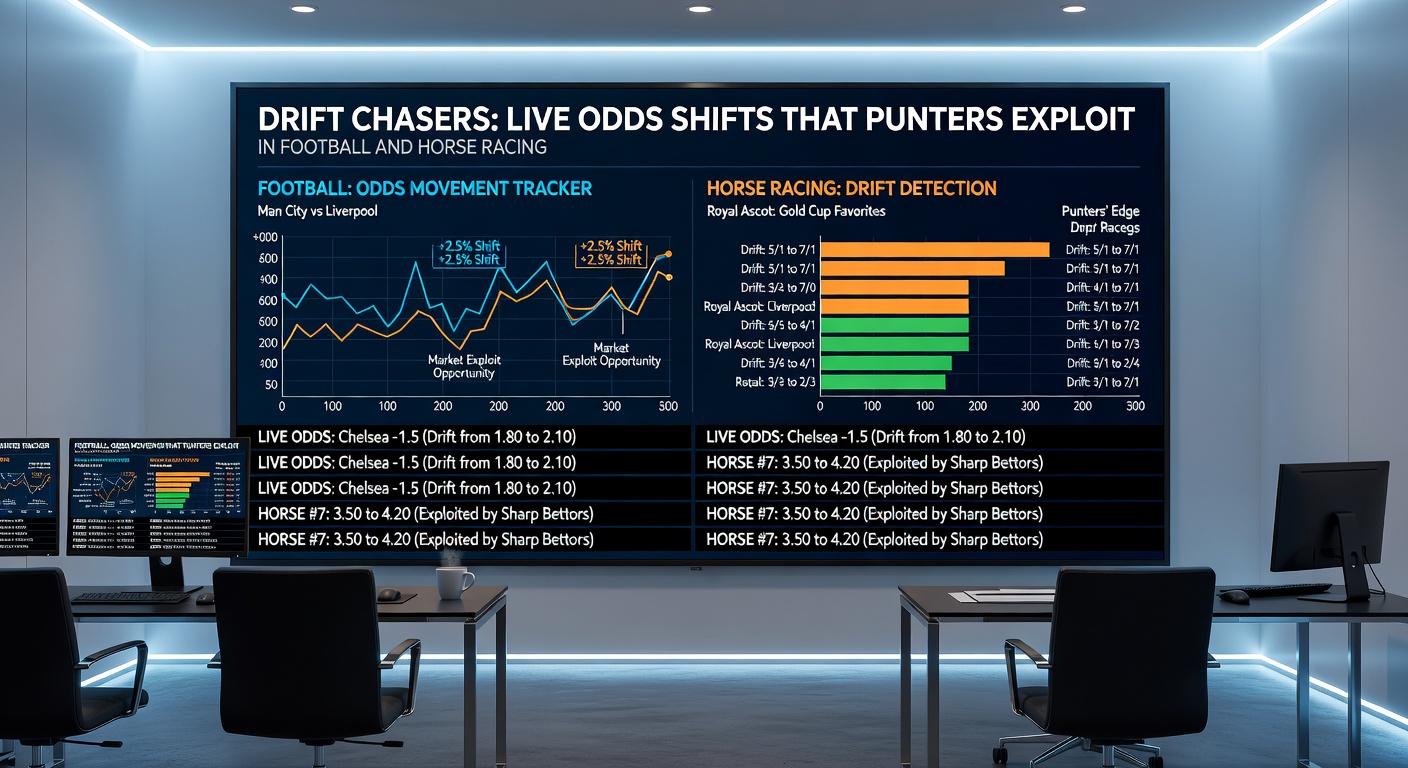
Horse racing stands as a drift chaser's paradise, with pre-race odds fluctuating wildly in the minutes before the off due to late money, track conditions, or whispers about a horse's fitness, and live in-running markets extend this chaos as runners fade or surge; punters exploit drifts on non-favorites drifting from 10/1 to 20/1 when the field bunches up early, betting in-play as the drifter rallies. Data pulled from Australian tracks reveals drifts account for 25% of profitable in-play bets, especially in handicaps where pacesetters tire fast.
But here's the thing: in big races like the Melbourne Cup, drifts hit hardest on outsiders after heavy rain reports, prompting bookies to lengthen prices while sharp punters, privy to trainer updates, load up knowing the ground suits their pick. One case from a recent Cheltenham Festival saw a 12/1 shot drift to 25/1 five minutes before the bell due to a market overreaction on the favorite, allowing chasers to win big when it placed second; such patterns repeat across sprints and stays, where jockey tactics trigger drifts mid-race.
Industry reports from Racing Australia highlight how live odds shifts in jumps racing create even steeper drifts, with prices ballooning 50% or more when leaders stumble at fences, rewarding those glued to the screen.
Strategies That Drift Chasers Deploy Across Both Sports
Successful chasers build arsenals of tools, from odds comparison sites to custom bots alerting drifts beyond 20% thresholds, layering bets across exchanges and bookies to lock in guaranteed value; in football, they pair drifts with expected goals models, backing drifted teams holding 60% possession, while in racing, they cross-reference pace figures to target drifters likely to improve late. People who've honed this craft often start small, scalping minor drifts in low-stakes games before scaling to majors, always cashing out early to dodge reversals.
Now, hedging stands key: punters lay drifted selections on exchanges while backing traditionally, turning volatility into profit regardless of outcome, and that's not rocket science, just disciplined execution amid the frenzy. Experts observe that multi-account strategies shine here, rotating funds to exploit site-specific delays, with one study showing top chasers netting 15-20% ROI over 500 events by focusing solely on drifts under 10 minutes long.
Yet discipline rules; chasers log every drift, reviewing hits and misses to refine triggers like injury timeouts in football or false starts in racing, building edges that compound over seasons.
Tools, Tech, and the Tech Arms Race Fueling Drift Hunting
Software like odds scanners and API feeds dominate the drift chaser's toolkit, pulling real-time data from dozens of bookmakers to flag discrepancies where one site lags, letting punters arbitrage the gap; mobile apps with push notifications buzz for drifts exceeding set parameters, crucial during packed schedules like March weekends packed with League Cup semis and Cheltenham trials. And as AI enters the fray, predictive models now forecast drifts based on betting volume surges, giving users a step ahead of manual traders.
It's noteworthy that free tools suffice for beginners, scanning Bet365 against Pinnacle for football drifts or William Hill versus exchanges for racing, but pros invest in premium feeds costing hundreds monthly, yielding outsized returns. Observers note a surge in community forums sharing drift alerts, democratizing access while sharpening collective eyes on markets.
Risks, Regulations, and What's Ahead in 2026
While drifts offer edges, reversals sting hard—drifted selections falter 70% of the time per stats, demanding tight bankrolls and stop-losses; over-reliance on tech risks account flags too, as bookies deploy anti-arbitrage measures like gubbing sharp punters. Regulations tighten globally, with bodies mandating faster odds updates to curb exploitation, and in Australia, enhanced monitoring hits live racing markets especially.
Looking to March 2026, punters eye shifts around the Cheltenham Gold Cup buildup and FA Cup quarters, where new EU data rules could slow feeds, paradoxically boosting drift windows; yet stiffer verification in US states like New Jersey might crimp cross-border chasing. Data indicates responsible punters thrive by capping exposure at 2% per bet, navigating these waters with measured aggression.
That's where the rubber meets the road: drifts reward speed and smarts, but only those respecting limits sustain long-term gains.
Conclusion
Drift chasers master a niche where live odds shifts in football and horse racing deliver tangible edges, exploiting bookmaker lags through vigilant monitoring, strategic tooling, and disciplined play; patterns persist across events, from Premier League thrillers to Grand National nail-biters, with data underscoring their profitability for prepared punters. As markets evolve with tech and regs—especially eyeing March 2026 fixtures—those adapting stay ahead, turning fleeting drifts into enduring advantages. The ball remains firmly in the chasers' court, provided they chase wisely.