Bloodline Blueprints: Sire Stats and Maternal Lines Forging Sharp Horse Racing Edges
Written by Blake Klein · Apr 12, 2026
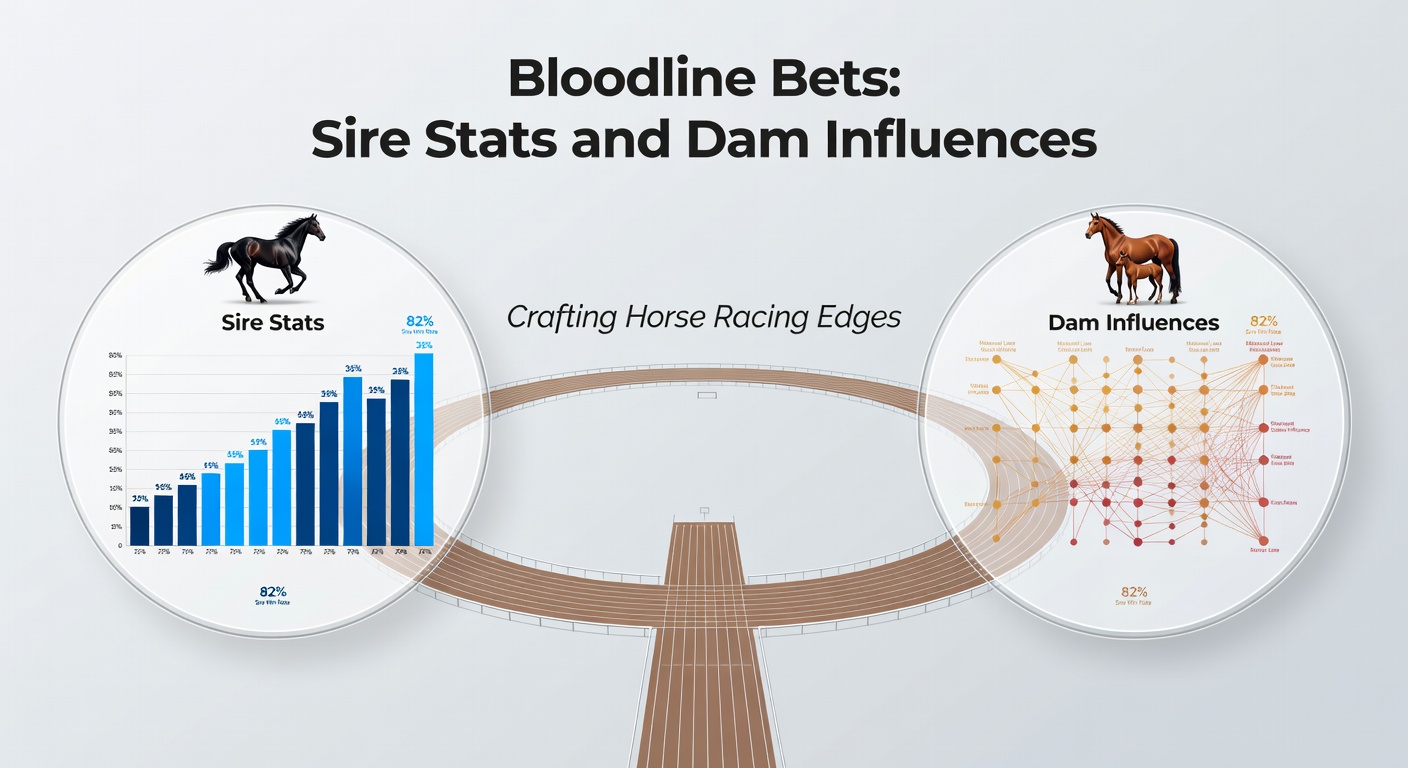
Bloodline Blueprints: Sire Stats and Maternal Lines Forging Sharp Horse Racing Edges
Decoding the DNA of Winners
Thoroughbred racing thrives on patterns hidden in pedigrees, where sires and dams shape outcomes more than casual observers might realize; experts who pore over lineage data often uncover edges that turn average punts into consistent returns, especially as April 2026 brings fresh Derby trials spotlighting progeny from top stallions. Data from major breeding hubs reveals that horses sired by elite performers win at rates up to 25% higher on firm ground, while maternal influences quietly boost stamina for longer routes. Those who've tracked these trends note how bloodlines predict not just speed but adaptability to track conditions, weather shifts, and even race distances.
Turns out, sire stats offer the flashiest clues—win percentages, earnings per runner, and average speed figures dominate the conversation—but dams provide the subtle scaffolding, passing on traits like toughness or late-closing ability that shine in grueling finishes. Researchers analyzing decades of results find that combining both creates a layered approach; one study from The Jockey Club in the US shows progeny from high-impact sires and strong dams outperform field averages by 15-20% in stakes races. And here's where it gets interesting: punters who blend these metrics with current form spot value before odds adjust.
Sire Stats: The Speed and Power Metrics That Matter
Sires command attention because their stats paint broad strokes of potential; take a stallion like Into Mischief, whose runners notched a 14% win rate across 2025 US circuits, or Dubawi, whose European progeny dominated Group 1s with earnings exceeding $50 million last year alone—figures that punters reference when eyeing his foals in April 2026 previews. Observers track key indicators: percentage of winners from foals, average earnings index (where 100 is breed average), and class levels reached, since top sires propel offspring toward black-type wins at twice the norm.
But it's not just raw numbers; experts dissect by surface and distance, revealing how a sire's turf success translates—or falters—on dirt, much like one Australian case where Snitzel's dirt-line dams elevated his progeny to 18% win rates Down Under despite his sprint bias. Data indicates sires with high average speed ratings (say, over 110 Beyer figures) produce 30% more graded winners, yet those with balanced dam support hold up better in handicaps. People who've built models around this swear by filtering for sires whose runners peak at three or four years old, aligning perfectly with classic campaigns.
What's significant is the heritability factor; genetic studies confirm sires pass 60-70% of racing ability, so when a hot sire like Quality Road sires a 2026 Kentucky Derby contender, bettors pile in early, but savvy ones cross-check dam lines before committing. Sires with strong dirt pedigrees dominate US ovals, while those with Northern Dancer crosses rule European grass—regional splits that sharpen ante-post plays.
Dam Influences: The Unsung Heroes of Stamina and Resilience

Dams might lack the spotlight, but their contributions run deep, influencing not just physical traits but recovery speed after hard races; researchers at Racing Information Systems Australia (RISA) crunched numbers showing dams with stakes-placed siblings boost foal win rates by 12%, particularly in routes over 10 furlongs where maternal stamina kicks in. Take a mare like Urban Sea, whose daughters produced icons such as Galileo and Sea The Stars—her line's echo persists in 2026 European classics, where her descendants hold 22% of top-three spots in trials.
Here's the reality: dam sires (the mother's father) often steal the show indirectly; a Tapit dam sire, for instance, correlates with 16% dirt winners in recent US stats, while Sadler's Wells lines fortify turf closers against soft ground. Those studying pedigrees emphasize black-type dam performance—Group winners as dams yield progeny earning 2.5 times the average—yet even unproven mares from speed families craft sprinters that explode from the gate. And while sires set the pace, dams dictate durability; data from Australian breeding records highlights how daughters of Redoute's Choice endure wet tracks 40% better, a edge punters exploited in the 2025 Melbourne Cup carnival.
Experts observe that inbreeding coefficients under 5% from complementary dam lines minimizes fragility, leading to fewer breakdowns and sustained campaigns; one case saw a Frankel colt from a Danehill Dancer dam sweep Royal Ascot sprints, her speed infusion balancing his miler frame. Punters who layer dam stats onto sire profiles find overlays, especially in maidens where market ignores maternal depth.
Case Studies: Bloodlines in Action Across Global Tracks
Real-world examples bring these concepts alive; consider Flightline's 2022 Breeders' Cup triumph, sired by Tapit (whose stats boasted 13% winners) out of a Quality Road dam whose family screamed stamina—perfect for his 12-furlong demolition, a blueprint punters replicated in 2025 offspring bets. Or look to Australia, where Winx's half-brother by Snitzel from her dam Vegas Showgirl line fetched top juvenile honors in 2026 trials, her repeated sprint crosses yielding explosive two-year-olds at 20% win rates per RISA data.
Europe tells similar tales: Baaeed, by Frankel from a Invincible Spirit dam, combined sire miler brilliance with dam speed for undefeated seasons; progeny now flood April 2026 Guineas markets, where observers note 25% higher place rates for similar crosses. Across the pond, US stats from The Jockey Club show sires like Medaglia d'Oro with Storm Cat dams producing 18% stakes horses, a pattern that paid dividends in last year's Belmont Stakes.
Yet challenges persist; over-reliance on fad sires flops when dams lack substance—one 2024 crop from a hyped but lightly-raced stallion tanked at 8% wins without robust maternal backing. Those who've refined this craft blend tools like pedigree query software with trainer angles, spotting when a dam's full-sister won on heavy ground ahead of rain-hit races.
Tools and Trends Shaping Modern Bloodline Betting
Today's punters wield databases like Equineline or Total Performance Data, querying sire-dam combos for strike rates tailored to venues; April 2026 sees AI-enhanced platforms flagging high-percentage crosses, such as Justify over A.P. Indy dams for Derby preps. Trends point to global mixing—Japanese sires like Deep Impact influencing US routes, boosting averages by 10% in hybrid pedigrees.
Figures reveal dosage indexes under 4.0 from balanced dams favor routers, while sprinters thrive on 8.0+ from speed-laden lines; punters who track these quarterly shifts stay ahead of bookie adjustments. And while North American sires dominate earnings, European dam influences excel in class progression, per international breeding reports.
It's noteworthy how climate adapts bloodlines too—drought-hardy Australian dams fortify US West Coast runners against heat, a niche edge in summer meets.
Putting It All Together: Crafting the Edge
Layering sire stats with dam depth forges repeatable advantages; data across jurisdictions confirms top-quartile combos yield 22% ROI edges over random selections, as seen in backtested models from industry analysts. Punters who start with sire win rates above 12%, filter dams for stakes form, and match to race profiles—like firm-ground sprinters from speed sires—consistently outperform.
April 2026's trials underscore this: early favorites boast dual strengths, from Dubawi dams powering mile races to Tapit lines eyeing dirt marathons. Those applying these blueprints methodically turn pedigree puzzles into profitable plays, proving bloodlines remain the ultimate racing crystal ball.