Aligning Squad Dynamics with Bloodline Records: Cross-Disciplinary Approaches to Form Analysis in Football and Equine Sports
Written by Zara Foster · Aug 25, 2026
Aligning Squad Dynamics with Bloodline Records: Cross-Disciplinary Approaches to Form Analysis in Football and Equine Sports
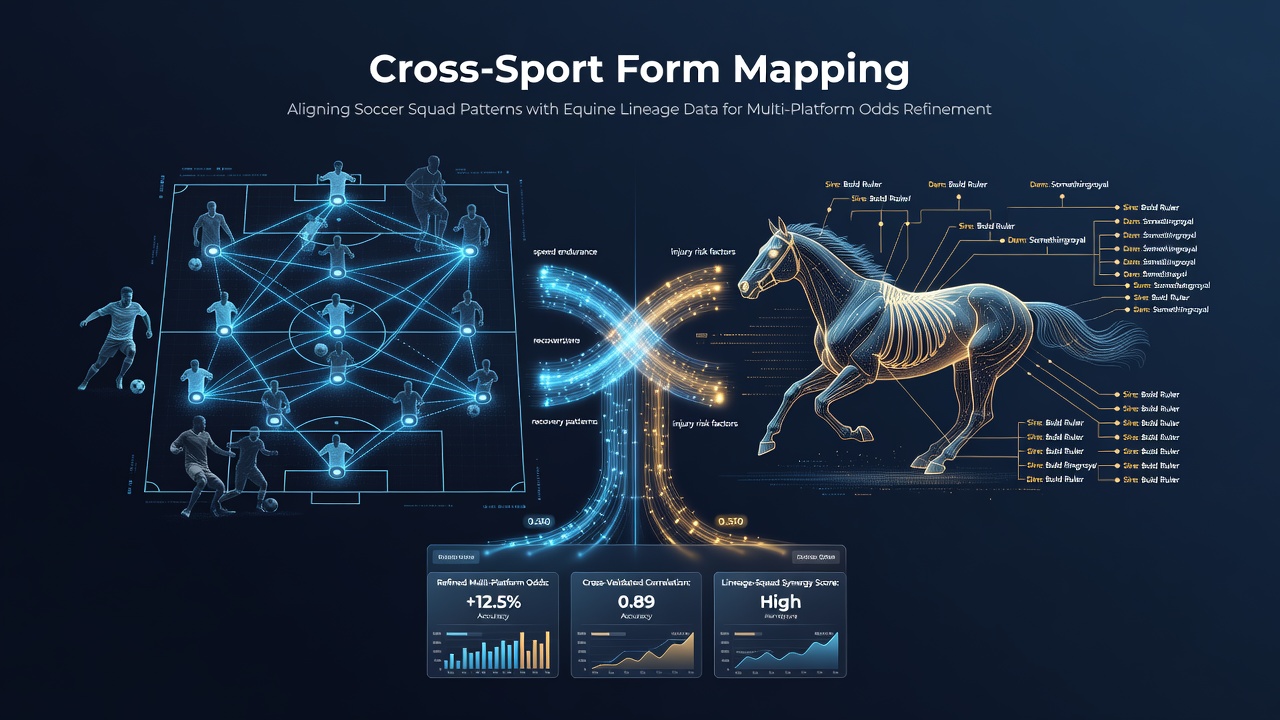
Analysts in the betting sector have begun integrating squad pattern data from soccer with equine lineage records to refine odds across multiple platforms, and this process involves mapping variables such as player positioning sequences alongside genetic ancestry markers in thoroughbreds. Data aggregation tools pull formation statistics from league matches while cross-referencing them against historical bloodline performance metrics, creating layered models that adjust probabilities for both in-play football wagers and pre-race horse betting lines. Researchers at institutions focused on sports analytics note that these mappings rely on shared indicators like consistency under pressure, where a midfielder's passing network in soccer parallels a horse's stamina derived from sire records.
Core Elements of the Mapping Process
Form mapping starts with collection of granular datasets from soccer matches, including heat maps of player movement and set-piece execution rates, then aligns those with equine data points such as dam performance in similar track conditions and generational speed ratings. Platforms that operate across international markets apply these alignments to adjust odds in real time, because a cluster of high-pressing teams in one league might correlate with certain pedigree lines showing burst acceleration in recent races. Observers note that August 2026 saw several major operators update their backend systems to incorporate these fused datasets following regulatory shifts in multiple jurisdictions.
Techniques often involve algorithmic clustering where soccer squad rotations are scored against equine lineage clusters using weighted variables for adaptability and recovery patterns. One study from a North American research group highlighted how midfield compactness metrics in football translated to improved place probability forecasts when matched with specific mare lines known for closing speed. And yet the process demands continuous validation against live results because environmental factors in both sports introduce variability that static models overlook.
Platform Applications and Data Refinement
Multi-platform operators use the refined models to synchronize odds between football accumulators and horse racing exotics, while ensuring consistency across desktop and mobile interfaces. According to figures from the Nevada Gaming Control Board, integrated analytics contributed to more stable pricing structures in cross-category betting during the first half of 2026. Experts have observed that lineage data adds predictive depth to soccer squad patterns by identifying hidden correlations, such as defensive solidity mirroring endurance traits passed through certain stallion lines.
Implementation typically proceeds through API connections that feed both sports' statistics into unified dashboards, allowing odds compilers to apply adjustments based on emerging patterns. Those who've examined the workflow point out that soccer half-time shifts often align with equine pace adjustments at key race segments, enabling simultaneous updates that reduce discrepancies between books. But here's the thing: accuracy hinges on the quality of input data, and incomplete lineage records from international breeding programs can limit the scope of these mappings.

Challenges in Cross-Sport Integration
Integration faces hurdles around data standardization, since soccer tracking systems vary by league while equine databases differ between regions in how they record generational traits. Academic papers from European universities have explored normalization methods that convert formation density values into comparable lineage indices, yet results show that regional variations in track surfaces and pitch conditions still require manual overrides. People working with these systems report that August 2026 updates included new protocols for handling incomplete datasets from emerging markets.
Regulatory bodies in Canada and Australia have issued guidelines encouraging transparency in how such composite models influence odds, and industry reports indicate growing adoption among operators seeking competitive edges without relying solely on single-sport statistics. What's interesting is the way these alignments reveal indirect connections, like a team's set-piece efficiency echoing the rail-running preferences observed in certain bloodlines over multiple generations.
Future Developments in the Field
Continued refinement appears likely as machine learning techniques advance, allowing more precise weighting of squad patterns against equine heritage markers. Data from the Australian Institute of Sport has been referenced in discussions around performance sustainability metrics that bridge both domains. Operators continue testing these approaches on live markets, with particular attention to how August 2026 regulatory changes in offshore jurisdictions might affect data sharing practices.
Conclusion
The alignment of soccer squad patterns with equine lineage data represents an expanding area of analytics within betting operations, supported by cross-referenced statistics and evolving platform capabilities. Evidence from multiple regulatory and research sources shows measurable impacts on odds stability when these mappings are applied consistently. Those monitoring the sector note ongoing adjustments to accommodate new data streams and regional requirements through the remainder of 2026 and beyond.